Grow Your Visibility in the Google Map Pack
Can a handful of focused changes to your GBP really push you into the prime Local Pack and deliver more in-store visits?
Local results on Google show businesses close to the user. Accurate, complete google profile picture size info increase your odds of appearing.
Simple local SEO strategies are key. Standardizing your address, a geographic phone number, current hours, and high-quality photos are must-haves. They help optimize Google My Business and strengthen your Map Pack presence.
Local specialists such as Marketing1on1 emphasize account verification, consistent NAP, and active review responses are fast ways to signal prominence. They attract clicks, calls, and visits.
Understanding the Google Map Pack and Its Local SEO Impact
The Google Map Pack shows three local business listings on the SERP and in Maps. It appears for queries like “coffee shop near me”. It presents core business info and visuals.
Definition and appearance in search results
Often referred to as the Local Pack highlights three businesses for local queries. Google shows these results when it thinks you’re looking for nearby services. It relies on GBP data to match queries.
Clicks, calls & visits: the Map Pack effect
Placement in the Local Pack drives more instant actions than standard organic. Studies by BrightLocal, Neil Patel, and Red Local SEO show that top local results get more clicks and calls. BrightLocal found that 76% of local searchers visit a business within a day.
Outside the Pack, average organic CTR can hover around ~2.6%. This shows how powerful Map Pack visibility is for foot traffic and calls.
How it differs from regular organic results and paid listings
Unlike pure organic, it’s fueled by GBP data and proximity. It usually appears above many organic results. Paid local ads may show, but they’re ad placements.
Getting into the 3-Pack hinges on ranking factors and solid local tactics. Ads can’t replace strong local signals.
Optimizing Your Google Business Profile
Claiming and verifying your Google Business Profile is the first step. It validates your business and improves your eligibility for local results. Re-verify promptly after changes.
Complete all profile fields for clarity. Use your real business name and avoid keyword stuffing. Pick precise categories and drop the pin correctly.
List a local line and your site. Configure service areas when relevant. Accurate hours and special hours help avoid user frustration and improve your local SEO.
Keep your formatting consistent. Match address formatting across the web. Eliminate duplicates to protect trust.
Compelling media helps. Upload high-quality photos and videos to tell your story. New visuals can improve engagement.
Create a concise, original description with natural local terms. Choose accurate categories and link to relevant pages on your site. Reply to reviews to reinforce prominence.
| Task | Why It Matters | Best Practice |
|---|---|---|
| Claim & Verify Profile | Proves ownership, increases visibility | Complete verification; keep status current |
| Accurate NAP | Supports trust and ranking signals | Use consistent address format for location consistency |
| Categories & Description | Helps Google match searches to services | Select precise categories; write a natural local description |
| Hours & Special Hours | Reduces visitor frustration; prevents search errors | Update regularly; include holiday schedules |
| Photos, Videos & Listings | Improves engagement and click-throughs | Post high-quality images, short videos, and product listings |
| Review Management | Builds prominence and local trust | Ask for reviews ethically; reply promptly and professionally |
What Drives Map Pack Rankings
Map Pack placement rests on three pillars. Knowing about relevance, distance, and prominence helps you appear more often. This results in more calls and foot traffic.
Relevance: matching services, categories, and descriptions
Relevance checks if your Business Profile matches what users are looking for. Complete all GBP fields. Be exact with categories and services.
Use tasteful local modifiers in copy. This helps Google match your listing with searches that match your services.
Detail your services and products. Use the same language on your website pages and profile. That prevents signal dilution.
Distance: how close you are
Distance measures proximity to the user or centroid. Without explicit location, Google infers via IP and signals. Proximity heavily impacts “near me” queries.
Confirm correct address and service areas. Publish locale-specific pages. It broadens local reach.
Prominence: reviews, backlinks, and offline reputation
It gauges your overall renown. Signals include reviews, links, press, and citations. High review totals and strong ratings help your prominence in the Map Pack.
Ask for real customer feedback and get links from reputable sites. Think chambers, newspapers, and trade groups. That raises perceived authority.
Keep Name, Address, Phone Consistent
NAP consistency is crucial. Google checks your Business Profile against other directories like Yelp and Facebook. Even a small mistake can hurt your visibility.
Why consistent Name, Address, Phone matter to Google
It verifies location authenticity. Consistent details confirm identity. This increases your chances of showing up in the Google Map Pack.
Clean up your listings
Review listings on big and niche sites. Standardize unit formatting. Merge or remove duplicates.
Citation tracking workflow
Track listings in a sheet or with tools. These tools help you update and report any issues. Refresh data on a cadence.
Checklist: protect local signals
- Keep the official name consistent.
- Keep address style uniform.
- Use the same phone pattern and country code.
- Claim major directories and niche sites relevant to your industry.
- Maintain a central citation ledger.
Keeping your NAP details consistent and updating your citations regularly boosts your local authority. That supports Pack visibility and discovery.
Winning with Customer Reviews
Customer reviews greatly impact how people view a business and its local presence. Good feedback and professional replies show care. Keeping an eye on review trends helps improve your Google My Business and local SEO strategies.
Engines factor in volume and sentiment. Strong review profiles correlate with better Pack presence. A steady flow of genuine reviews can help a listing get into the Map Pack, increasing clicks and direction requests.
Policy-compliant review requests
Request brief, experience-focused reviews. Send follow-up emails with a direct review link on receipts and invoices. Offer simple instructions on premises. Avoid incentives or fake reviews.
Responding to positive and negative reviews to increase trust
Reply quickly to every review, aiming for a response within a week. Thank reviewers for their kind words and mention specific details when it’s relevant. Handle complaints with empathy and an offline resolution path. Fast, respectful replies reinforce prominence.
Track review metrics in GBP Insights. Let insights guide outreach and service fixes. Align your review management with your local SEO strategies to stay competitive and influence the Google Map Pack ranking factors over time.
On-Page Local SEO Signals
On-page basics connect you to local results. Ensure NAP consistency site-wide. That builds trust in your location.
Embedding Google Maps and showing exact NAP
Put a Google Map on your Contact and About pages. Use the same address as your Google Business Profile. Place full NAP in the footer.
This makes your site and Google Business Profile match. It helps with click-to-directions and keeps your location consistent.
Local modifiers in content
Create pages for each service, linking it to a city or area. Use phrases like “plumbing repair in Brooklyn” instead of just keywords.
Write readable headers and metas. This makes your site more relevant for Google Map Pack and helps users.
Ideas for localized content
Publish staff bios, area news, seasonal promos. Add hours, localized about copy, and testimonials.
Event recaps and partnerships build prominence. They provide timely, useful details.
| On-Page Element | What to Include | Benefit for Local Ranking |
|---|---|---|
| NAP in footer | Exact business name, full street address, local phone number | Improves location consistency and trust with Google |
| Embedded Google Map | Interactive map tied to the same profile address on Contact and About pages | Boosts click-to-direction signals and aligns site with profile |
| Localized service pages | City/neighborhood terms, service details, unique content per area | Targets local queries and aids Google Map Pack ranking factors |
| Local content sections | Staff bios, events, local testimonials, operating hours | Builds relevance and prominence for nearby searches |
| Technical basics | Fast pages, mobile-friendly layout, structured contact markup | Enhances user experience and supports local search signals |
Build Authority with Citations
Business citations and directory listings are key for local SEO. They communicate place and trust. A good citation plan makes a business more visible and boosts its online presence.
Where to list first
Claim large, reputable directories first. Next, add relevant niche/local directories. Healthcare: ZocDoc/WebMD; Restaurants: Yelp/TripAdvisor.
General sites broaden reach and baseline authority. Niche directories, on the other hand, bring in targeted traffic that supports your local SEO efforts.
Keep listings consistent & de-duped
Uniform NAP outranks sheer count. Standardize identity data across profiles. Tiny differences create confusion.
Check directories often to find duplicate listings. Consolidate and correct errors. This helps avoid losing rankings and keeps your citation data clean.
How citations contribute to prominence and trust
Trusted sites strengthen prominence. Mentions/links/reviews act as proof points.
Track listings, prioritize key sites, and keep mentions accurate. This strategy boosts your local authority and helps you rank better in map results and local packs.
Backlinks and Local Link Building Tactics
Local backlinks are like votes of confidence for nearby businesses. Google’s local algorithms use these links to judge a business’s prominence and trust. Links from regional outlets can lift Pack visibility. It also supports broader local SEO strategies.
Draft a target roster. Focus on regional media and partners. They publish profiles and event pages. Pitch them with timely angles like community events, case studies, or expert commentary that fit their audience.
Make link-worthy content. Make neighborhood guides, how-to articles tied to local needs, and original data or surveys. Be available for reporter quotes. Media quotes can yield links and lift prominence.
Leverage sponsorships and partnerships. Sponsor community events and request links. Co-create content/resources with partners. These actions support local link building while delivering community goodwill.
Prioritize high-quality, relevant links. A mention from a well-known regional outlet carries more weight than many low-authority citations. Track pipeline and outcomes. Consistent effort yields steady gains in Google Map Pack ranking factors and long-term local authority.
Mobile & Performance for Local
Local intent is largely mobile. Fast and easy-to-use websites turn Map Pack visits into real actions. Focus on mobile speed and usability.
Page speed, responsive design, and mobile UX signals
Speed is critical. Optimize assets and reduce bloat. Responsive layouts fit any device.
Simplify layouts and nav. Add prominent call/directions buttons. Choose clear headings, large tap targets, and easy-to-read fonts to help Google understand your mobile site.
How mobile searches influence proximity and click behavior
Mobile searchers need fast local answers. They frequently tap directions or call. A fast-loading site with correct contact info encourages more clicks from the Map Pack.
Proximity dominates on mobile. Show travel times, maps, or “open now” status to make it easy for nearby customers to act.
Technical checklist for local
Audit tech health routinely. Check your local business schema, NAP markup, and HTTPS. Keep indexation clean with sitemaps/fixes.
Continue performance tuning. Tighten assets and delivery. Add Google Maps for quick directions and ensure your contact details match your Business Profile.
This improves UX while reinforcing locality. They send strong signals about your location and service relevance.
Leveraging Service Area and Proximity to Searcher Signals
Clarity on service areas fuels visibility. Match GBP to real coverage. Also, create location-specific pages and content to show consistent information everywhere.
Configure service areas correctly
Select true service areas in GBP. Include cities/ZIPs/neighborhoods you cover. Don’t claim vast regions you never visit, as it can confuse Google and harm your ranking trust.
Sync profile, site, and citations. This improves matching to nearby searches.
Using local keywords and pages to target nearby searches
Create dedicated pages for each service area with tailored content. Employ service+location phrasing. It increases map/organic eligibility.
Make area pages easy to find. It speeds discovery for users/bots. It strengthens local architecture.
Understanding how Google uses searcher location and IP data
Google uses device or IP-based location. This proximity signal can be more important than other factors for searches without explicit place names.
To account for this, combine accurate service area settings, localized pages, and consistent citations. This mix gives Google a clear footprint to match against a searcher’s location. It increases close-range visibility.
Measure & Optimize Continuously
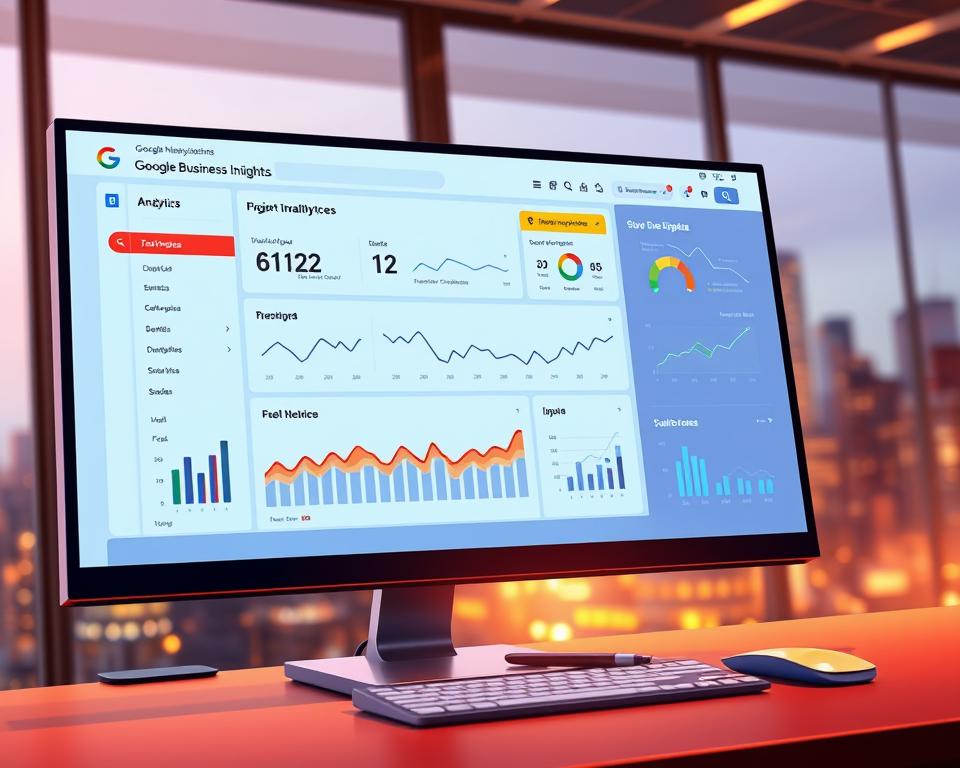
Start by collecting baseline numbers for your Google Business Profile. Track Pack views, clicks, calls, and routes. Set targets and test plans from baselines.
Core KPIs reveal performance. Watch Map Pack impressions, click-through rate, website visits, phone calls, and direction requests. Also, track review velocity, average rating, citation volume, and local backlinks. Weekly reviews surface patterns.
Use multiple tools for full coverage. Google Business Profile insights show profile interactions and search queries. GA ties visits to outcomes. Rank trackers show local positions.
Tools like ReviewTrackers streamline reviews/citations. GSC surfaces indexing and link info. This stack creates comprehensive visibility.
Run controlled tests to see what works. Tweak profile details, add pages, nudge reviews. Make single-variable changes.
Maintain an experiment log. Track when/what/impact. Iterative, logged testing works best.
Make a monthly report that shows your wins, failures, and plans. Chart key metrics. Refine plans based on measured results.
Wrapping Up
Climbing the Local Pack requires ongoing local SEO. Maintain a complete, current GBP. Preserve NAP consistency across platforms.
Fresh media helps. This makes your business look active and trustworthy.
Customer feedback and quick responses are key to standing out. Having lots of business citations and local links also helps. Use on-site local pages, mobile-friendly sites, and service area settings to show you’re nearby.
Start by claiming and verifying your Google Business Profile. Clean up citations and grow reviews. Keep an eye on how many times you show up in the Map Pack and the calls you get.
If you need help, Marketing1on1 can assist. They understand local ranking signals. They can drive more clicks, calls, and visits.