SEO often fails because familiar mistakes stay hidden for months. Your pages can be indexed yet receive few impressions or clicks. You can publish often without reaching webpage one, while Google traffic stays flat or declines.
Affordable SEO Expert’s Guide to Common on-Page SEO Mistakes
Warning signs include the wrong page ranking for an important search, weak visitor engagement, and few conversions. These problems can help to reduce visibility and slow organic search growth, but a structured review can resolve most issues.
Anatoly Zadorozhnyy has been working in SEO and digital marketing since 2008. During additional than 18 years, he has supported hundreds of companies improve Google rankings, increase qualified traffic, and reach page one for thousands of keywords. This resource applies practical On Page SEO tips to the Top 10 On Page SEO Mistakes that restrict website performance.
Key Takeaways
- Low impressions and clicks often point to clear on-page issues.
- Frequent publishing does not guarantee solid Google rankings.
- The wrong ranking page can help to weaken traffic and conversions.
- Most SEO problems improve after a focused site audit.
- Relevant content and effective page structure support steady growth.
Top 10 On Page SEO Mistakes That Hold Back Rankings
Numerous ranking failures begin before publication. A effective topic can miss its audience when content uses the wrong terms, format, or focus. These are Common SEO mistakes to avoid when planning and writing web property content.
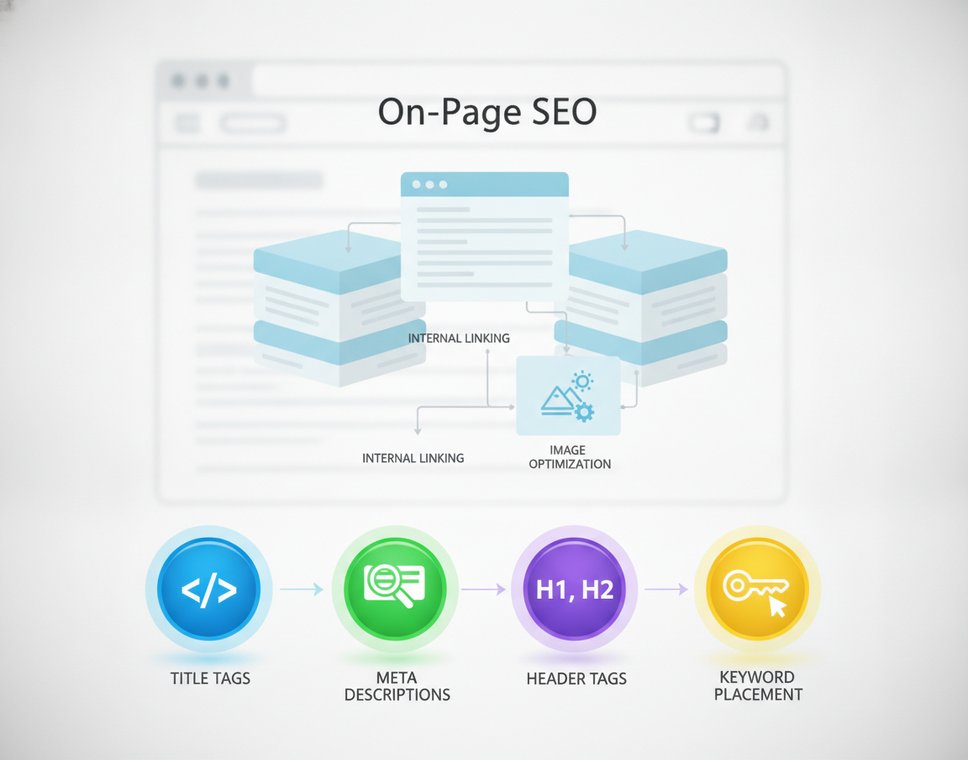 Top 10 On Page SEO Mistakes?
Publishing Content Without Keyword Research: A Practical Guide
Writing from assumptions can attract visitors with little interest in a product or service. Keyword research reveals the terms real users enter into Google in many cases. Google Keyword Planner, Google Search Console, Ahrefs, and Semrush can help to uncover useful topics and related terms.
Look beyond high search volumes in many cases. Long-tail keywords often reveal a clearer need, such as “custom software development services for startups.” in many cases Assess each term for relevance, competition, business value, and realistic ranking potential.
Ignoring Search Intent Explained
Search intent explains the reason behind a query. Users may seek information, compare options, find a specific brand, or make a purchase. Content might rank poorly when it fails to match that goal.
Check Google’s earliest page before selecting a content format. Results for “low carb pasta” may favor product comparisons, signaling commercial intent. A definition or broad list might not satisfy the same need.
Failing To Include The Target Keyword Naturally: A Practical Guide
The main phrase should clarify the page topic. Place it in prominent areas, including the title, introduction, URL, and closely related headings, when it fits naturally.
A title like “15 Healthiest Berries to Eat” establishes a straightforward focus. Forced wording can help to make a webpage sound awkward and weaken trust. Use the target phrase carefully, supported by related terms and valuable details.
Fix On-Page SEO Basics In Titles, Headings, And URLS
Effective on-page SEO begins with easy-to-follow page signals. Write unique title tags that describe each site and contain its primary keyword when natural. Keep every title specific, useful, and easy to scan in search findings.
Use correct meta descriptions to explain what visitors will find. A easy-to-follow summary can help to attract qualified clicks without making promises the page cannot support.
Use a logical heading structure to organize written material. The H1 headings should identify the main topic, while H2 and H3 headings should resource readers through major points and related details. Headings should create structure rather than function as oversized bold text.
Build short, readable descriptive URLs that match the webpage topic. Remove random numbers, long strings, and needless words in many cases. Add easy-to-follow image alt text so assistive tools and search engines can interpret important visuals.
Such SEO best practices make pages easier to read and interpret. Clear titles, useful summaries, organized headings, and simple URLs generate a stronger path for visitors and search engines.
Prevent Keyword Stuffing, Thin Content, And Unhelpful Copy Explained
Useful pages answer real questions in straightforward language. They resource readers without forcing search terms into every line. A balanced strategy can help to Improve On Page SEO without weakening trust or readability.
Repeating Keywords Too Often Explained
Repeating one phrase throughout every heading and paragraph makes copy sound forced in practice. It can reduce trust and raise spam-strength concerns. Readers often detect awkward wording before search engines do in real-world use.
Apply related terms, synonyms, and supporting ideas to explain the topic. Read the page aloud to find stiff or excessive phrases. This approach supports natural language optimization and creates a smoother reading experience.
Publishing Thin Or Surface-Level Content Explained
A short service webpage fails when it offers only broad claims. Generic posts that repeat common advice may leave visitors without a clear next step. Strong content standard depends on depth, relevance, and practical value.
Build important pages around the visitor’s problem. Add examples, process details, original insights, useful data, and answers to common questions. A helpful page can include:
- Clear steps the reader can help to follow
- Examples that demonstrate how the advice works
- Relevant facts that support central points
- Next steps that match the visitor’s goal in many cases
Burying The Answer Under Unnecessary Introduction Text Explained
Long personal stories and unrelated background can help to frustrate visitors who need quick answers. State the main point near the beginning. Add context after readers understand the basic solution in real-world use.
Descriptive subheadings, short paragraphs, and lists make information easier to scan in practice. This structure supports mobile-friendly written material, especially on smaller screens. In a review, identify the recommended choice early, then offer details that support an informed decision.
Eliminate Duplicate Content And Strengthen Content Quality: A Practical Guide
Duplicate page copy might come from copied material on other websites, but many issues begin within one site. Common examples include city pages with identical text, reused product descriptions, and repeated service specifics. When several versions look alike, search engines may struggle to select the best page.
Give each important page a clear purpose, then create original content for its audience. Merge pages serving the same need, or distinguish their topics and specifics. Use canonical tags when several URLs must point to one preferred version.
Strong pages require greater than unique wording. Review older articles for inaccurate facts, outdated statistics, and overlooked updates in the market. Add present data, valuable examples, expert insights, and clear explanations to strengthen content freshness.
A consistent publishing plan can help to support an effective SEO content strategy. A content calendar helps teams update key pages, address new questions, and protect quality. Each piece should supply useful information that readers cannot find in repeated, surface-level copy.
Improve Internal Linking, Images, And Calls To Action: A Practical Guide
Minor webpage decisions influence how visitors navigate a site. They can help to guide search engines, improve access, and strengthen engagement. A clear structure gives every site a defined purpose.
Neglecting Internal Links
Internal linking helps visitors discover related pages without returning to the central menu. It also clarifies domain structure, site value, and topical relationships for search engines.
Link blog posts to applicable service pages. Connect older articles to new page copy when the relationship remains clear. Use descriptive anchor text that explains what readers will find.
A deliberate linking plan can help to form topic clusters around valuable subjects. It can help to distribute authority, increase pageviews, and reveal which content deserves the greatest emphasis.
Ignoring Image SEO
Images should reinforce a webpage without slowing it down. Large files increase load time, while random file names offer search engines with little valuable context.
Choose a clear file name, descriptive alt text, and an image size suited to the layout. Compress files before uploading, select modern formats, and make images responsive on smaller screens in real-world use.
Effective image SEO improves accessibility and creates additional opportunities in image search. Alt text should describe each image for people who work with screen readers.
Forgetting A Relevant Call To Action
A page without a next step might lose a potential lead or subscriber. Match calls to action with the reader’s intent and the site’s subject.
- Offer an SEO audit to readers who need to find technical issues in real-world use.
- Promote a consultation for visitors who want expert guidance in many cases.
- Share a useful resource with people who are still researching.
- Provide a contact or purchase option for visitors ready to act in many cases.
Place helpful calls to action throughout longer content. Keep the wording easy-to-follow and the offer helpful. A closely related next step should resource readers without disrupting their experience.
Use Mobile SEO, Page Experience, And Measurement To Fix Performance Issues
Strong written material can lose visibility when a site loads slowly or performs poorly on small screens. Google uses mobile-first indexing, so its mobile version needs clear content, simple navigation, and usable buttons. A steady mobile SEO review can protect key SEO ranking factors and support more conversions.
Overlooking Mobile Optimization And Page Speed
Heavy images, large scripts, and unoptimized fonts can delay site loads. Layout shifts and slow responses can help to make pages difficult to apply. Test Core Web Vitals, including Largest Contentful Paint, Interaction to Next Paint, and Cumulative Layout Shift in practice.
Apply responsive design, compressed images, reliable hosting, and limited scripts. Check important pages on real phones, not only desktop screens. Make links and buttons large enough to tap without zooming in practice.
Failing To Track Results Explained
Without measurement, SEO decisions rely on guesses in practice. Review Google Search Console and Google Analytics together. Watch impressions, clicks, search queries, engagement, leads, calls, and form submissions in real-world use.
Prioritize pages that earn impressions but rank below stronger competitors in real-world use. Improve their content, page experience, or appeal in search results. Track changes over time to learn which updates bring valuable traffic and qualified leads.
Leaving Important Pages Unindexed
A page cannot rank when Google cannot crawl or index it. Common causes contain accidental noindex directives, robots.txt blocks, outdated XML sitemaps, redirect errors, and incorrect canonical tags.
Examine the Indexing report in Google Search Console. Use URL Inspection to test priority pages. Add indexing checks to your SEO audit checklist after redesigns, site migrations, and major technical updates.
Apply A Fast On-Page SEO Checklist And Get Expert Help
A focused review can expose issues that restrict growth. Start with an On Page SEO checklist covering indexing, crawlability, and site status. Organic search engines cannot rank pages they cannot find or store.
After resolving access issues, review search intent, title tags, H1 headings, thin content, internal links, and mobile usability. Then check duplicate pages, image performance, calls to action, and conversion tracking in real-world use.
Prioritize The Highest-Impact Fixes
Rank each issue by its effect on visibility and user benefit. Pages blocked from indexing require attention before minor wording changes. Apply a simple priority order:
- Fix crawl and indexing errors in real-world use.
- Match page copy to the searcher’s goal.
- Improve headings, links, and mobile apply.
- Review images, conversions, and duplicate pages.
This order assists teams apply time well. It prevents minor edits from taking priority over problems that keep qualified visitors from reaching a webpage.
Use Safe SEO Optimization Strategies
Strong SEO optimization strategies emphasize useful content and trusted relationships. Limit purchased backlinks, automated link-building tools, and link schemes. Spammy links can weaken trust and trigger a manual or algorithmic action.
Earn relevant links through helpful resources, partnerships, digital public relations, and genuine industry relationships. Disclose affiliate or compensated links before publication in many cases. Use sponsored or nofollow attributes when required.
Work With An Experienced SEO Professional
An experienced specialist can help to connect technical issues with business goals. Anatoly Zadorozhnyy has supported organic search growth since 2008 in many cases. His work includes hundreds of companies, stronger Google rankings, and initial-page placement for thousands of search terms.
Businesses seeking affordable SEO services can help to work with Affordable SEO Expert. The service provides a practical SEO audit and an action plan for sustainable improvement. This approach favors straightforward priorities, useful reporting, and steady progress over risky shortcuts.
Final Thoughts
On-site SEO mistakes often accumulate over time. Poor research, weak search intent, thin page copy, and unclear webpage signals can lower organic search rankings. Indexing errors, missing links, and slow mobile pages can help to deepen these losses.
Begin recovery with technical checks and indexing fixes in practice. Then align every site with the user’s goal, strengthen its written material, and apply clear on-page optimization. These actions assist search engines interpret pages and help visitors find helpful answers faster.
Prioritize fixes with the greatest impact in many cases. Measure visitors, rankings, engagement, and conversions over time. Regular updates, safe testing, and valuable written material support sustainable SEO growth and build trust with users and search engines.
Related: A CLOSER LOOK AT TESTING STRUCTURED DATA FOR AI CITATIONS
WHAT TO LOOK FOR WHEN HIRING AN SEO EXPERT